Key facts: Sewer Backup Cleanup
- Sewage can contain bacteria, viruses and parasites, so contact with backed-up wastewater should be avoided [1].
- Moisture left in building materials can lead to mold growth within 24 to 48 hours [2].
- Sanitary sewer overflows from public systems are regulated by the EPA, but backups from a private lateral are the property owner's responsibility [3].
- In Dallas, the owner's plumber maintains the building sewer up to the city's lateral near the property line [4].
How backup response works
What a plumber does when sewage backs up
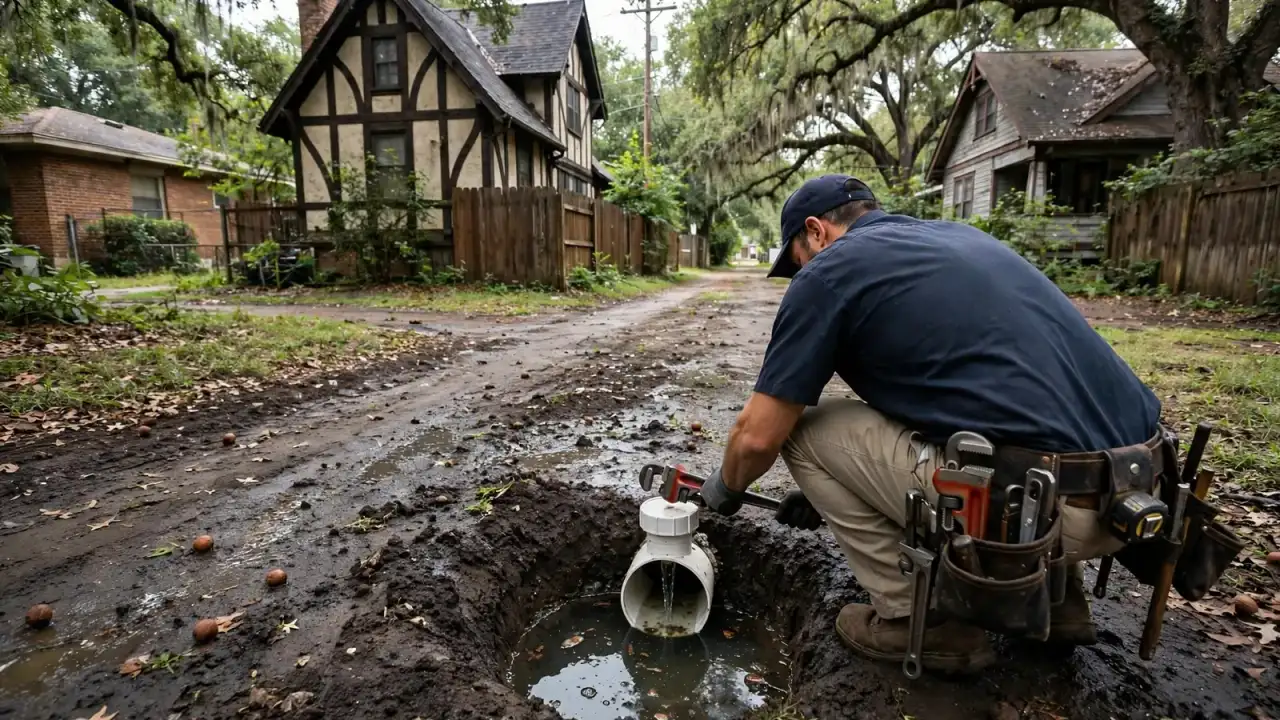
When sewage backs up into a house, the first goal is to get the line flowing. The plumber locates a cleanout, often outside near the foundation, and opens it carefully. If sewage stands in the cleanout, the blockage is downstream toward the city. If the cleanout is dry while the house backs up, the blockage is between the fixtures and the cleanout.
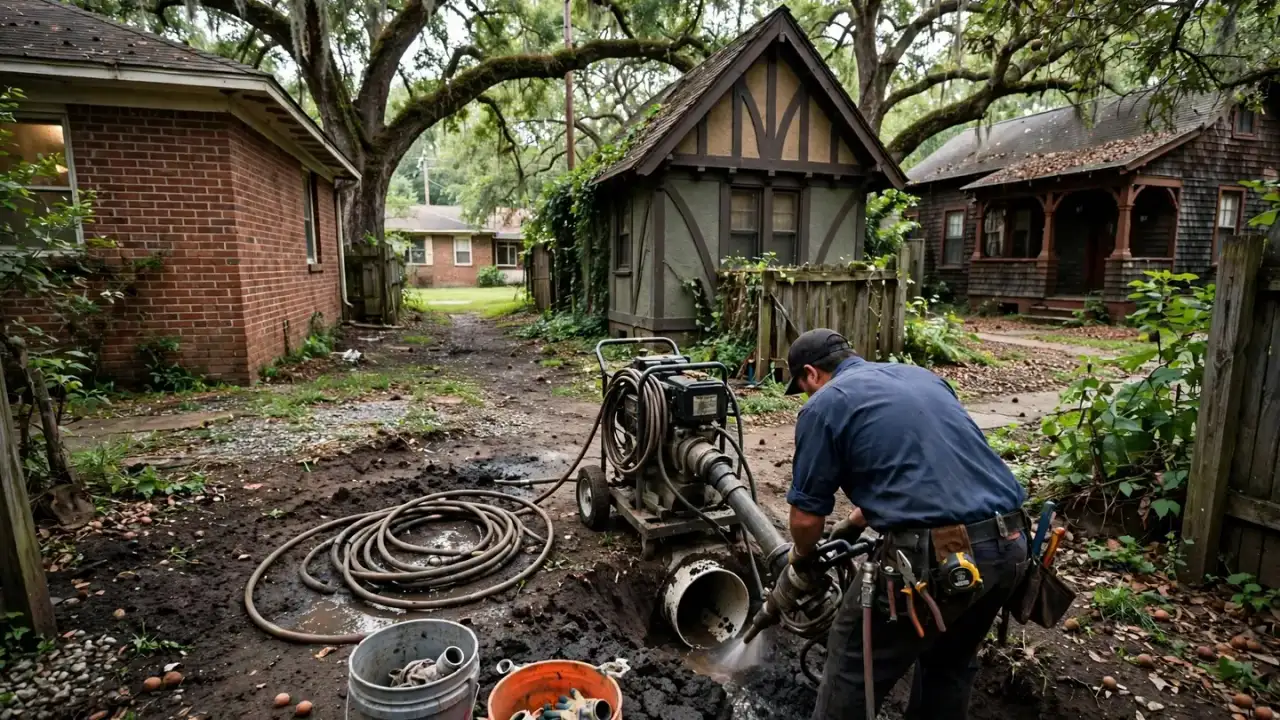
The line is cleared with a cable machine or water jet. Once flow returns, the plumber usually runs a camera to see what caused the blockage: roots, a belly full of solids, a broken section, grease, wipes or a problem at the city connection. That answer decides whether the house needs maintenance, repair or replacement, or whether the issue belongs to the city.
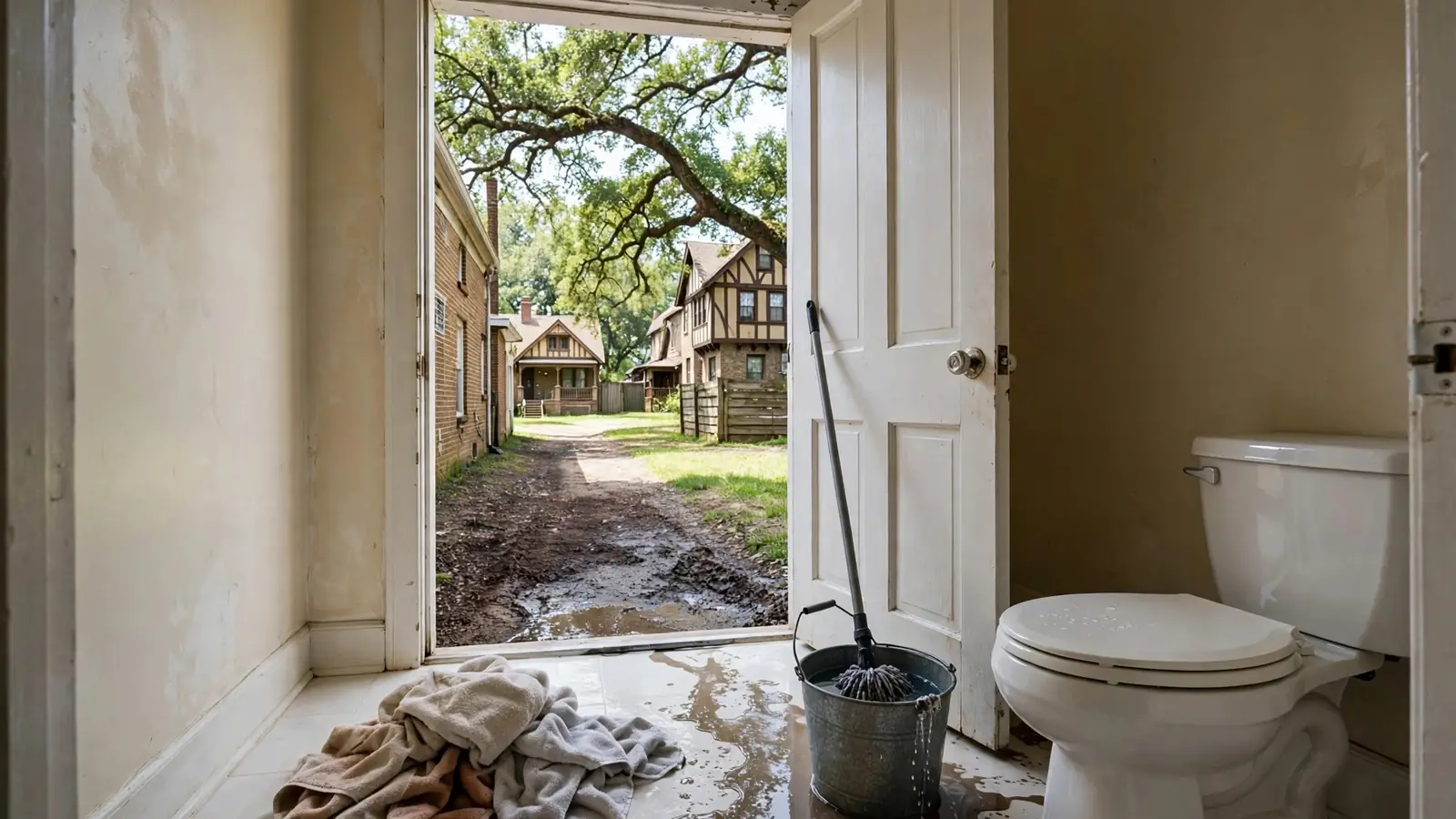
Cleanup is the second part. Water that came up from the sewer is contaminated. Hard surfaces can be cleaned and disinfected; porous materials like carpet pad and drywall that soaked up sewage are often removed. Some plumbers handle light cleanup; larger contamination is handled by water damage and remediation specialists. The plumber can advise who to call.
Backup warning signs
Signs a sewer backup is coming
Backups often give warnings first.
Gurgling after flushing
Air pushed back through fixtures means restricted flow.
Read moreWater rising in the tub when the toilet flushes
The lowest fixture fills first when the main is blocked.
Read moreSeveral slow drains at once
The shared line is restricted.
Sewage smell inside
Gases escape through dry traps or leaking pipes.
Backups after heavy rain
Water entering the system can overwhelm a restricted line.
Recurring clogs
Roots or bellies keep catching solids.
Read more
Backup figure
Why backups happen
What causes sewer backups in Dallas homes
The most common causes in Dallas are roots in older clay and cast iron laterals, bellies where solids settle in sagging pipe, and broken or offset sections that catch debris. Grease poured down kitchen drains hardens in cooler pipe and narrows it. Wipes, even those labeled flushable, tangle on roots and joints. Occasionally, the city main itself is blocked, causing sewage to back up into connected homes.
Heavy rain can make things worse. Water can enter sewer systems through cracks and illegal connections, raising flow just when a restricted line can least handle it.
Backup response step by step
How a sewer backup is handled
- 1
Stop water use
Stop flushing, showering and running appliances so no more water enters the line.
- 2
Clear the line
The plumber opens a cleanout and clears the blockage with a machine or jet.
- 3
Find the cause
A camera inspection shows why the line blocked.
- 4
Check the city side
If the blockage is in the public system, the plumber advises reporting it to the city.
- 5
Clean up
Contaminated areas are cleaned and disinfected, and porous materials removed if needed.
- 6
Prevent
Repairs, maintenance or a backwater valve are discussed.
Cleanup by material
How contaminated materials are usually handled
| Material | Typical approach |
|---|---|
| Tile and sealed stone floors | Clean and disinfect |
| Bathtubs and toilets | Clean and disinfect |
| Carpet and pad | Usually removed and discarded |
| Drywall wicked with sewage | Cut out above the wet line |
| Wood vanities and trim | Depends on exposure; often replaced |
| Personal items | Hard items cleaned; soft items often discarded |
What you can do yourself
First steps when sewage backs up
These steps protect people and reduce damage until help arrives.
- Stop using water in the house.
- Keep children and pets away from the affected area.
- Wear gloves and boots if you must enter the area; avoid touching sewage.
- Turn off electricity to affected areas only if it is safe to do so.
- Open windows for ventilation.
- Photograph the damage for insurance.
- Do not use chemical drain cleaners on a backed-up main line.
Where to stop
Cleanup that needs professionals
Small, contained backups onto hard floors can sometimes be cleaned by homeowners with proper protection. Larger backups, soaked carpet, drywall or anything affecting HVAC ducts should be handled by professionals. If anyone in the home is vulnerable to infection, keep them away and call for help.
Sewer backup cleanup in Dallas: local specifics
Dallas factors in sewer backups
Most Dallas homes are on slab or pier-and-beam foundations rather than basements, so backups usually appear first in a ground-floor shower, tub or toilet. On pier-and-beam houses, a broken drain under the floor can leak into the crawlspace unnoticed until odors appear.
Many older neighborhoods have alley sewers. When an alley main blocks, several homes along the alley may back up at once. That points to a public-side problem, which is reported to Dallas Water Utilities. The city's 311 service handles such reports.
Responsibility is set by city code: the property owner maintains the building sewer up to the city's lateral near the property line. A camera inspection often shows which side the blockage is on.
When to repair after a backup
Deciding next steps after a backup
| Cause found | Next step |
|---|---|
| Grease or wipes | Clean the line; change habits |
| Roots at joints | Cleaning plus lining or spot repair |
| Belly | Excavate and re-lay that section |
| Broken or collapsed pipe | Spot repair or replacement |
| City main blocked | Report to the city |
Related problems
Damage that follows a sewer backup
Backups can leave behind mold, odors and damaged flooring. Wood subfloors and trim can absorb contaminated water. Pier-and-beam crawlspaces can stay damp. A thorough cleanup and drying prevent lasting problems. Insurance coverage for sewer backup often depends on a specific endorsement; check your policy.
Backwater valves
Backwater valves and preventing repeat backups
A backwater valve lets sewage flow out of the house but closes if flow reverses from the city side. It can help homes vulnerable to public sewer backups. Installation requires the right location and access for maintenance and generally needs a permit. Ask a plumber whether one suits your house.
Kitchen habits
Grease, wipes and kitchen habits that cause backups
Grease poured down the sink cools and hardens in the pipe, catching food scraps and narrowing the line. Wipes, paper towels and hygiene products do not break down like toilet paper. Scraping plates into the trash, wiping greasy pans before washing and keeping only toilet paper in toilets prevent many backups.
After a backup
Checking the line after a backup
After a backup is cleared, a camera inspection is the best way to know whether it will happen again. If the cause was roots or a structural defect, plan the repair before the next backup.
Insurance and documentation
Insurance after a sewer backup
Standard homeowners policies often exclude sewer backup unless a specific endorsement is added. Document damage with photos, keep receipts and talk to your insurer before discarding damaged items when possible. A plumber's report of the cause can help.
Pier-and-beam crawlspaces
Backups under pier-and-beam houses
Many older Dallas homes in Lakewood, the M Streets and Oak Cliff sit on pier-and-beam foundations with crawlspaces. A broken drain under the floor can leak into the crawlspace without any visible backup inside. Signs include odors, damp floors or pests. A plumber can inspect the crawlspace and drains and arrange repairs and cleanup.
Contaminated water categories
Why sewage cleanup is different from a clean-water leak
Not all water damage is equal. Water from a supply line leak is relatively clean. Water that comes up from a sewer is contaminated with human waste and can carry bacteria and viruses. Restoration professionals treat it as the most serious category of water damage. That is why porous materials soaked by sewage are usually removed rather than dried, and why protective equipment matters during cleanup.
Drying and disinfecting
Drying the house after a backup
After contaminated materials are removed and hard surfaces disinfected, the area must dry thoroughly. Fans and dehumidifiers speed drying and limit mold growth. In humid Dallas summers, drying can take longer and may need professional equipment. Moisture meters confirm when walls and subfloors are dry enough for repairs.
Protecting your family
Health precautions during a sewage backup
Keep children, older adults, people with weakened immune systems and pets away from the affected area. Wear waterproof gloves, boots and eye protection during any cleanup. Wash hands thoroughly afterward. Do not eat or drink in the affected area. Launder clothing worn during cleanup separately in hot water.
When the city main is blocked
Backups caused by a blocked city main
If several neighbors back up at once, or the cleanout shows sewage rising from the city side, the public main may be blocked. Report it to the city through 311. A plumber can confirm with a camera and document the finding. In these situations, a backwater valve can protect the house from future public backups.
Backups in pier-and-beam versus slab homes
How backups differ by foundation type
In slab homes, backups appear in ground-floor fixtures, and leaks under the slab may show as damp flooring or odors. In pier-and-beam homes, the drains run through a crawlspace, so a broken pipe can spill sewage under the house where it is not seen. Both need prompt attention, but crawlspace contamination requires its own cleanup and ventilation.
Preventing backups in older Dallas homes
Prevention steps for older Dallas sewer lines
For older homes with clay or cast iron laterals, prevention starts with knowing the line's condition. A camera inspection identifies roots, bellies and breaks before they cause a backup. Periodic cleaning, avoiding grease and wipes, and planning permanent repairs before failure prevent most backups. Adding an accessible two-way cleanout makes future clearing faster and cleaner.
Choosing help after a backup
Questions to ask after a backup
Ask the plumber whether they will run a camera after clearing the line and what they found. Ask whether the problem is on your side or the city's, what repair they recommend and whether a backwater valve makes sense. For cleanup, ask whether they handle it or recommend a restoration company. Check their Texas plumbing license.
Grease in Dallas kitchens
Why grease is a leading cause of kitchen-line backups
Kitchen drains carry grease, oil and food scraps. Hot grease flows easily but cools and solidifies as it moves through pipes, coating walls and catching debris. Over time, the coating narrows the pipe until it blocks. Kitchen lines in older homes, with rougher cast iron interiors, collect grease faster. Pour cooled grease into a container for the trash, scrape plates and use sink strainers.
Wipes and the sewer
Why wipes cause backups even when labeled flushable
Wipes are made to stay strong when wet, so they do not break apart like toilet paper. In a sewer line with roots, offsets or bellies, wipes snag and build into blockages. They are one of the most common items found during backup clearing. Keeping only toilet paper in toilets prevents many problems.
Laundry and backups
Washing machines and sewer backups
A washing machine discharges a large volume of water quickly. In a restricted line, that surge can push water back up through floor drains, tubs or toilets. If backups often happen on laundry day, the main line is likely restricted. A camera inspection usually shows why.
Rain and backups
Heavy rain and sewer backups in Dallas
During heavy rain, water can enter sanitary sewers through cracks, open cleanouts and improper connections. A cracked private lateral lets groundwater in too. The added flow can overwhelm restricted lines and public mains. Keeping cleanout caps secure, fixing cracked laterals and never connecting gutters to the sewer help reduce rain-related backups.
Insurance claims after backups
Working with insurance after a Dallas sewer backup
If your policy includes sewer backup coverage, contact the insurer early, document the damage and keep damaged items until an adjuster sees them or approves disposal. Save invoices for plumbing, cleanup and repairs. A written plumber's finding about the cause, such as roots or a broken pipe, helps the claim. Policies vary, so read the endorsement wording.
Backups in older Dallas neighborhoods
Where backups are most common in Dallas
Backups are most common in neighborhoods with older clay or cast iron laterals and mature trees, such as Lakewood, the M Streets, Kessler Park, Casa View and parts of Lake Highlands. Duplexes and small apartment buildings with shared lines see more frequent backups because of higher flow. Newer areas with PVC laterals see fewer backups, but grease, wipes and occasional damage still cause them.
Testing after repairs
Confirming the fix after a backup
After the cause of a backup is repaired, a final camera pass confirms the line is clear and the repair is sound. Run several fixtures at once, such as a washer cycle and a toilet flush, and watch the lowest drain. If everything drains normally, the line is working. Keep the video for your records.
Odors after a backup
Getting rid of sewer odors after cleanup
Lingering odors after cleanup usually mean contaminated material remains or a drain trap has dried out. Check under cabinets, behind baseboards and in crawlspaces. Run water into seldom-used drains to refill traps. If odors persist after thorough cleaning, a plumber can check for leaks or vent problems.
Backups in rental properties
Sewer backups in Dallas rentals
In rental homes and duplexes, backups affect tenants directly. Landlords should respond quickly, arrange clearing, cleanup and repair, and keep tenants informed. Lease terms and Texas landlord-tenant law govern responsibilities. Periodic camera inspections and cleaning on older rental properties reduce emergency calls.
Toilet versus main line clogs
Telling a toilet clog from a main line backup
If only one toilet is clogged and other fixtures drain normally, the clog is probably in that toilet or its branch line, and a plunger or closet auger may clear it. If flushing one toilet makes water rise in a tub or another toilet, or several fixtures are slow at once, the main line is blocked. Main line backups need a plumber with a sewer machine.
Planning repairs after cleanup
Moving from cleanup to repair
Once the house is clean and the line is flowing, plan the repair while the problem is fresh. Review the camera video with the plumber, decide between maintenance, spot repair, lining or replacement, and schedule the work before the next backup. Delaying often means a second cleanup.
Sewer gas and safety
Sewer gas after a backup
Sewer gas can contain hydrogen sulfide and methane. Strong odors inside after a backup mean ventilation is needed and the source must be found. If odors are strong and accompanied by headaches or dizziness, leave the house and get fresh air. Dry floor drains and damaged pipes are common sources. A plumber can check traps, vents and pipes.
Calling for help quickly
Why speed matters in a sewer backup
The longer sewage sits, the more it soaks into materials and the higher the risk of mold and odors. Stopping water use immediately, getting the line cleared and starting cleanup within the same day keep damage to a minimum.
Backup questions
Questions about sewer backups in Dallas
What should I do first if sewage backs up into my house?
Stop using water, keep people and pets away, and call a plumber to clear the line. Avoid contact with sewage.
Who pays if the city main caused the backup?
Problems in the public system are the city's responsibility. Report them through Dallas's 311 service. Damage claims follow the city's process.
Can I clean up a sewer backup myself?
Small backups on hard surfaces may be cleaned with protective gear and disinfectant. Soaked carpet, drywall or large areas should be handled by professionals.
Will a backwater valve prevent backups?
It can prevent backups from the city side. It does not prevent blockages in your own line.
Why did my shower back up when I flushed?
The shower drain is often the lowest fixture, so when the main is blocked, water from other fixtures comes up there first.
Does homeowners insurance cover sewer backups?
Often only with a specific endorsement. Check your policy.
How can I prevent future backups?
Fix the cause, avoid grease and wipes, and consider periodic camera checks if your line has a history of problems.
Can I use the washing machine after a backup is cleared?
Wait until the plumber confirms the line is clear and the cause is understood. A full washer load is a good test, but only after the line has been checked.
Is bleach enough to clean up after a sewage backup?
Disinfectants help on hard surfaces after cleaning off visible waste. Porous materials soaked by sewage usually need removal, not just disinfection.
Should I replace my wax ring after a toilet backup?
If sewage came up around the base or the toilet was removed for clearing, replacing the wax ring helps ensure a good seal.
Can a backup damage my floors?
Yes. Sewage can soak into grout, wood floors and subfloors. Prompt cleanup and drying limit damage; porous materials may need replacing.
What should I tell the plumber about a backup?
Which fixtures overflowed, whether anything was running at the time, the age of the house and whether neighbors have similar problems.
How long does it take to clear a sewer backup?
Clearing the line often takes an hour or two once the plumber arrives. Finding the cause with a camera and cleaning up can take longer.
Is it safe to stay in the house after a backup?
Usually, if the affected area is isolated and cleaned properly. Keep vulnerable people away from contaminated areas until cleanup is complete.
Do alley sewers back up more often?
Not necessarily, but an alley main blockage can affect several homes at once. Report it to the city.