Key facts: Kessler Park
- Kessler Park is a neighborhood in North Oak Cliff, laid out with curving streets on hilly terrain [1].
- Sewer laterals must maintain a steady downhill slope so waste flows by gravity [2].
- Clay and cast iron, common in older Oak Cliff homes, crack and separate at joints as they age [3].
- Dallas generally requires a plumbing permit and inspection for sewer repair and replacement [4].
Kessler Park coverage
Kessler Park ZIP code covered
The plumbing network accepts calls from this North Oak Cliff ZIP code. Coverage can change, so call to confirm.
- 75208: Kessler Park, Kessler Highlands, Stevens Park, Winnetka Heights and nearby North Oak Cliff streets.
Kessler Park housing
What Kessler Park homes are like
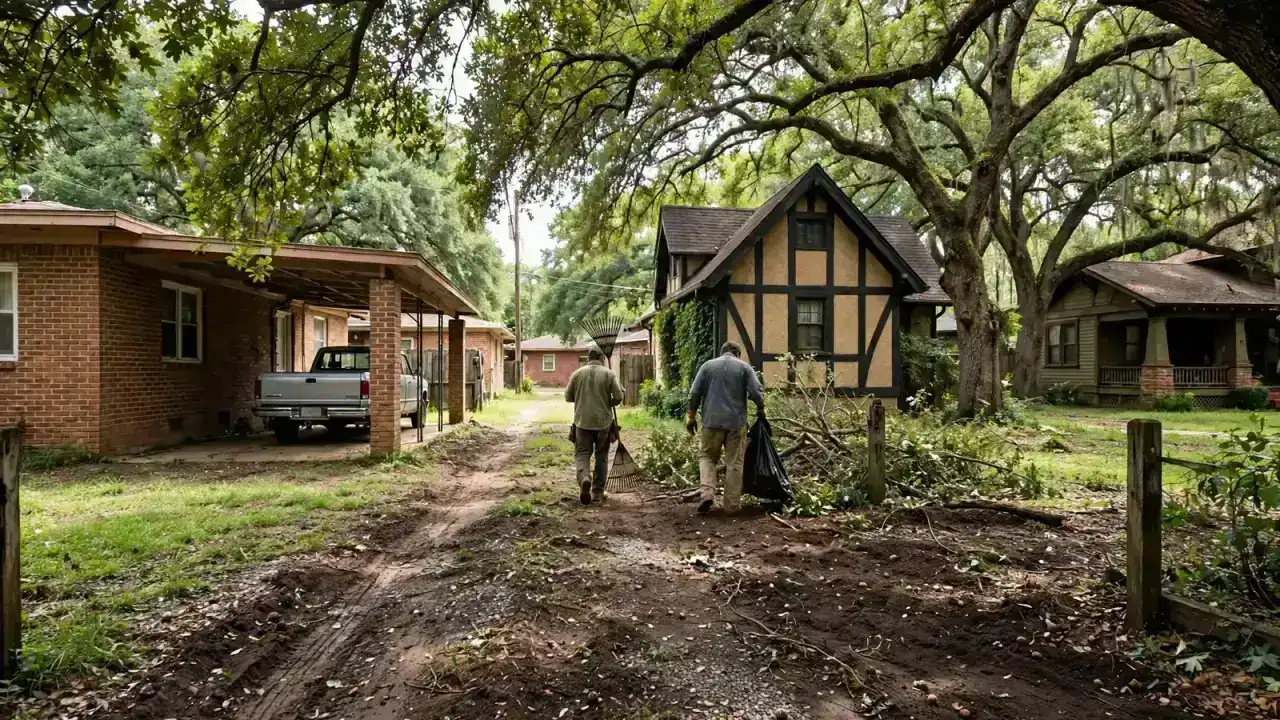
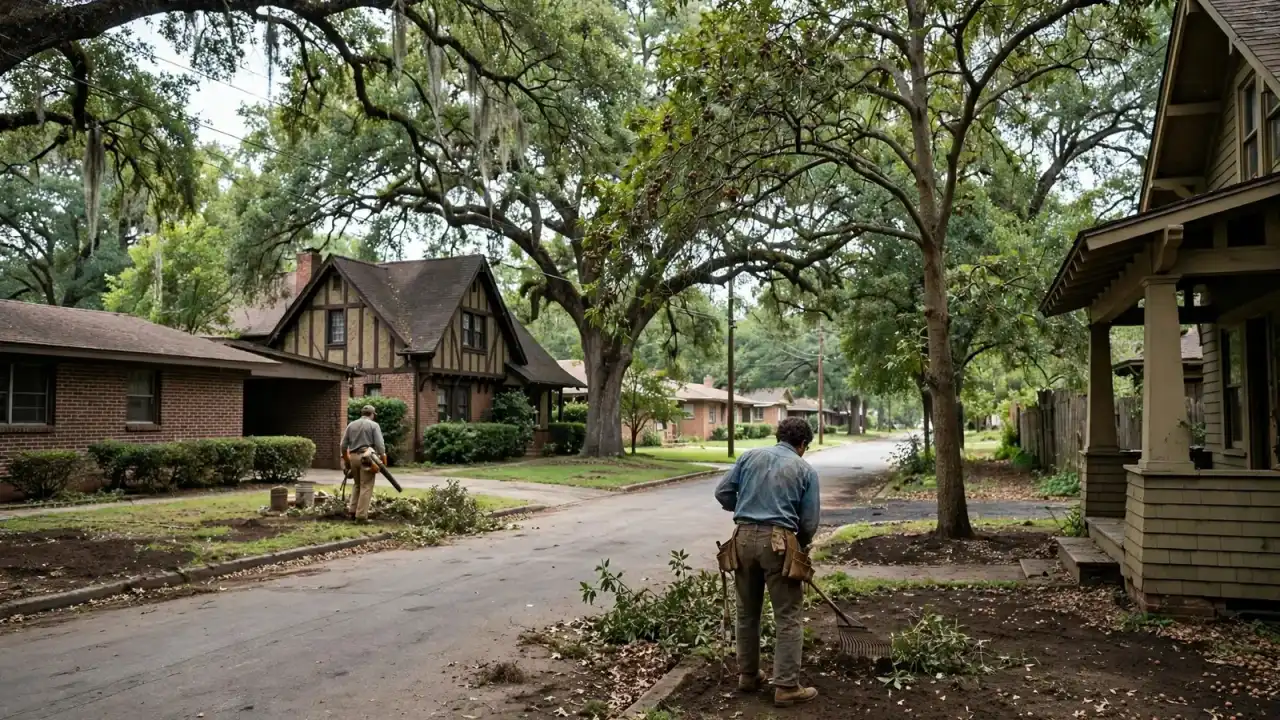
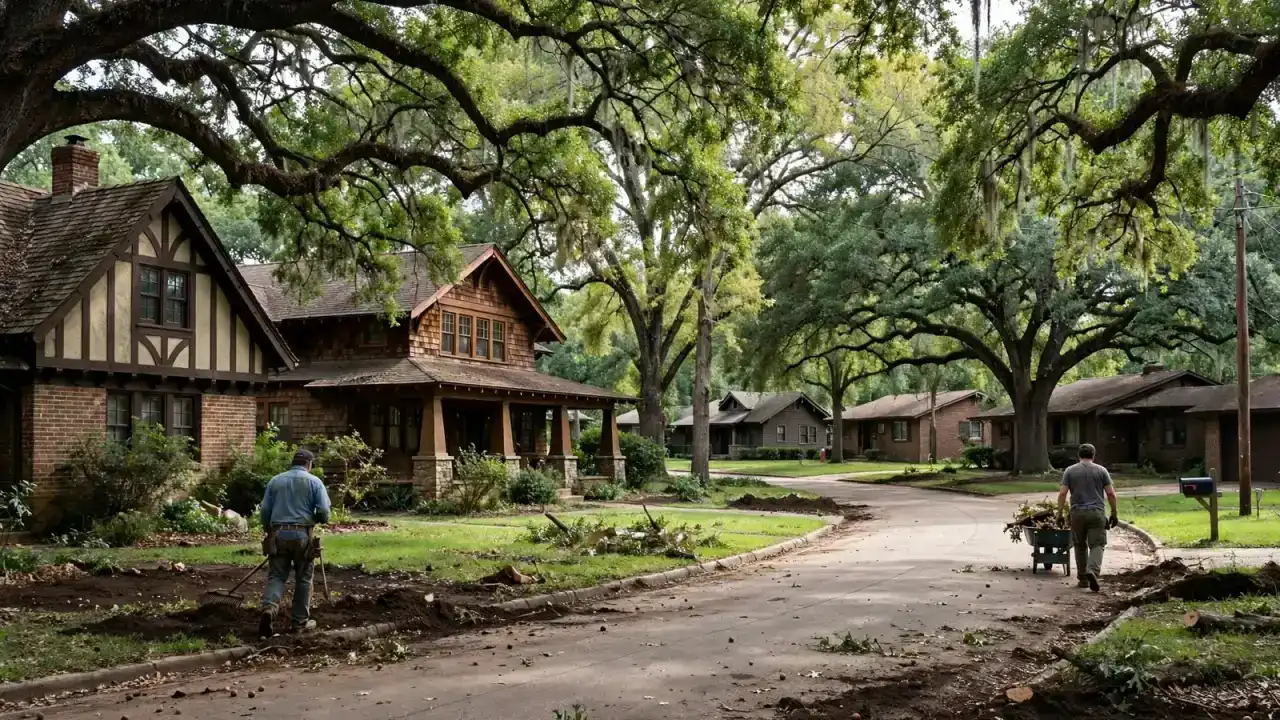
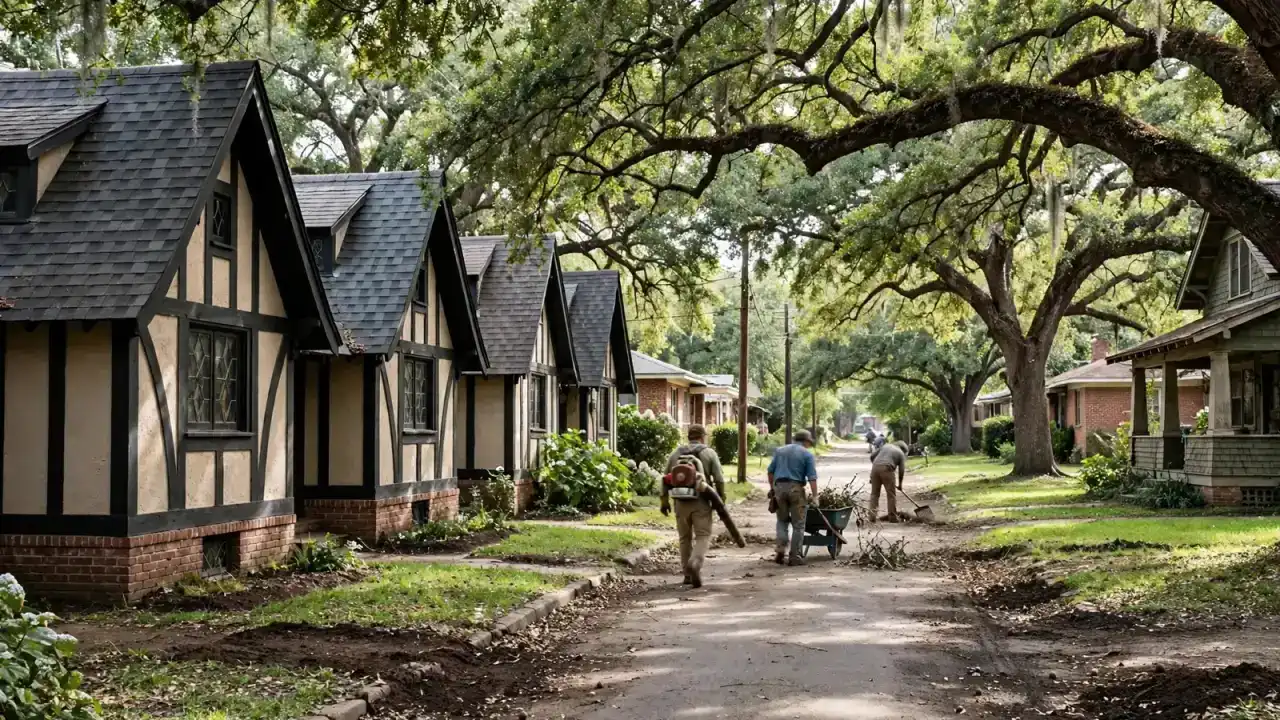
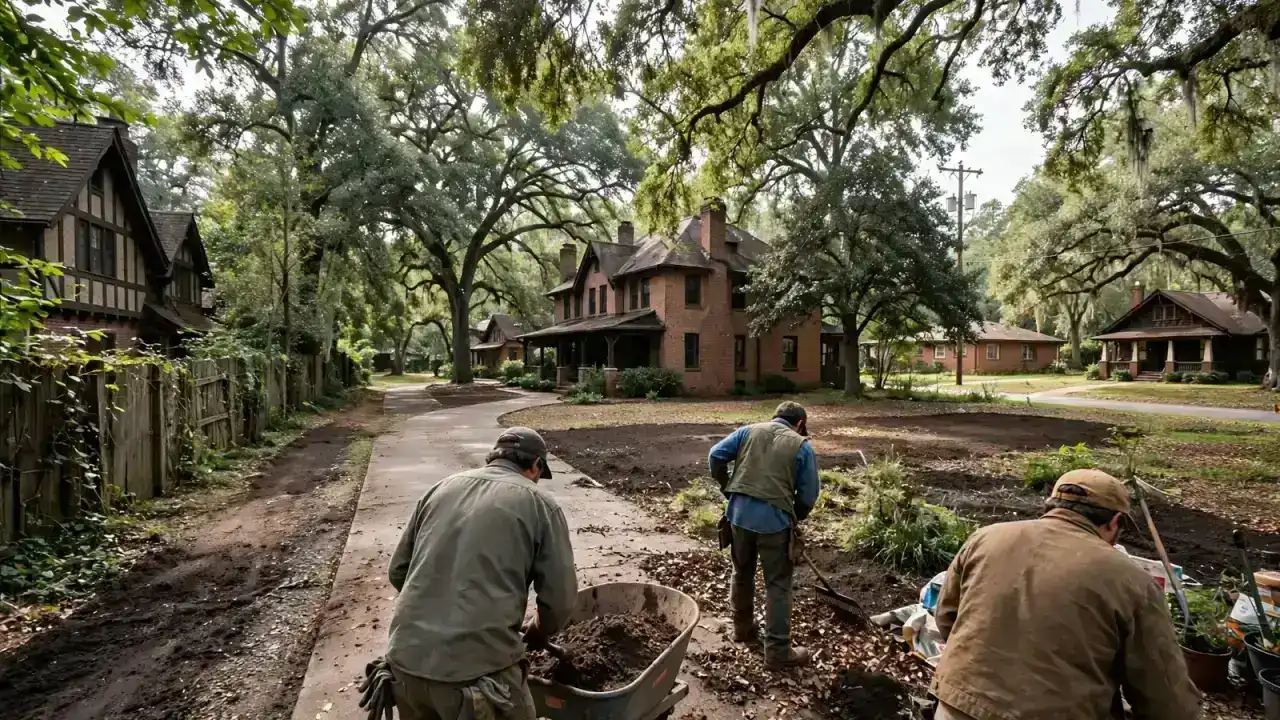
Kessler Park was laid out in the 1920s on rolling, wooded land above the Trinity River bottoms and along Coombs Creek. Its streets curve with the terrain, and homes range from 1920s Tudors and Spanish Eclectic houses to mid-century modern designs and newer builds. Lots are often large and sloped, with front yards that climb or fall steeply from the street and mature trees throughout.
Nearby Stevens Park, Kessler Highlands and Winnetka Heights share much of this character, with older houses on varied terrain. Many still have clay or cast iron laterals, and the slopes mean laterals can be long and deep.
Kessler Park sewer problems
What plumbers see in Kessler Park
Terrain and trees shape most sewer calls here.
Long, deep laterals
Sloped lots mean longer runs and greater depth.
Read moreRoots near creeks
Creek-side and hillside trees reach laterals easily.
Read moreSags on uneven ground
Sections settle where the slope changes.
Read moreOlder clay and cast iron
Original pipe in many older homes.
Read more
Slopes and sewer lines
How slopes shape Kessler Park sewer lines
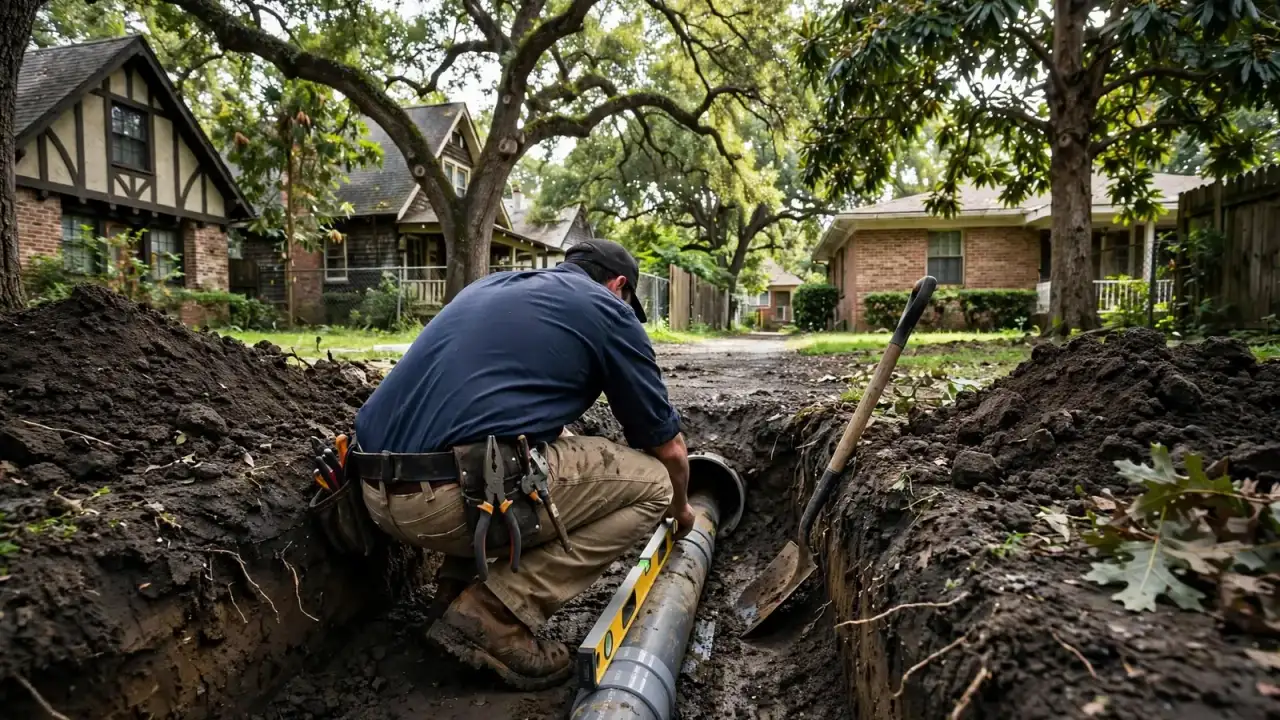
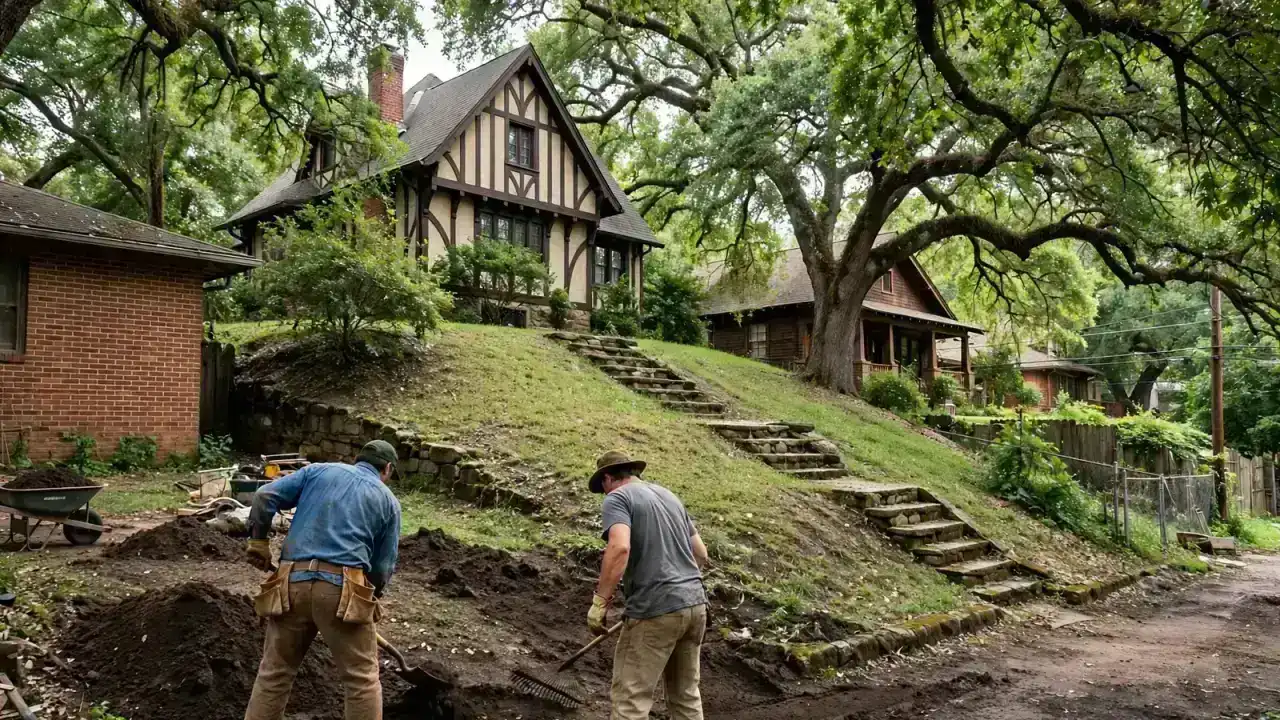
A sewer lateral needs a steady downhill grade. On a flat lot, that grade comes from digging slightly deeper toward the main. On a hillside lot, the lateral may run downhill steeply in one section and nearly flat in another, depending on where the house sits relative to the main. Steep sections can let water outrun solids; flat sections collect them. Changes in grade are also where settling and sags develop. A camera inspection with a locator shows the depth profile, which is especially useful here.
Houses set above the street may have laterals running downhill to a street main. Houses set below the street may connect to mains at the back of the lot or require careful grading. Some older homes have unusual routes that have been modified over time.
Sloped lot figure
Creeks and trees
Creek-side trees and roots in Kessler Park
Kessler Park's creeks and wooded slopes support large trees close to many houses. Roots near creeks have ample water but still invade sewer joints, especially in drought when the upper soil dries. Lines that pass near creek banks or through wooded areas often show root intrusion. Trenchless repairs help protect the trees that give the neighborhood its character.
Older pipe in North Oak Cliff
Clay and cast iron in older Oak Cliff homes
The 1920s and 1930s homes in Kessler Park, Winnetka Heights and Stevens Park typically used clay laterals and cast iron interior drains. After nearly a century, these lines show cracked joints, roots and corrosion. Mid-century homes may have cast iron or, occasionally, Orangeburg. Newer rebuilds often have PVC inside but may still connect to an old lateral.
Clay soil on hillsides
Expansive soil and hillside movement
The clay soils of Dallas swell and shrink, and on slopes that movement can include slow downhill creep. Pipes on hillsides may shift both vertically and laterally over time, opening joints and creating offsets. Camera inspections often show offsets at grade changes. Flexible modern pipe, such as fused HDPE used in pipe bursting, tolerates some of this movement better than rigid clay.
Kessler Park permits
Permits and boundaries in Kessler Park
Kessler Park and its neighbors are inside the City of Dallas, so sewer work needs a city plumbing permit and inspection. Parts of North Oak Cliff fall within conservation districts or historic districts, such as Winnetka Heights, which govern exterior changes; underground plumbing is generally not the focus, but restoring visible features should respect the rules.
Planning a Kessler Park visit
Planning a sewer visit in Kessler Park
- 1
Note the slope
Tell the plumber whether the house sits above or below the street.
- 2
Find the cleanout
It may be partway down the yard on sloped lots.
- 3
Trees and creeks
Point out large trees and nearby creeks.
- 4
Steps and access
Mention stairs or steep paths that equipment must use.
- 5
Past work
Share any foundation or retaining wall work.
Kessler Park lots
Kessler Park lot types and sewer notes
| Lot | Sewer notes |
|---|---|
| House above the street | Long downhill lateral to the street; check for steep then flat sections |
| House below the street | Connection may be at the back; grade is critical |
| Creek-side lot | Roots and possible infiltration after rain |
| Flat lot on a ridge | Similar to other Dallas lots |
Kessler Park repair choices
Choosing repairs on sloped lots
Lining works on round pipe with roots or cracks, even on slopes. Sags at grade changes need excavation to re-lay. Pipe bursting can replace brittle pipe along steep runs without trenching down a hillside. Excavating on slopes requires care for soil stability and safety. The camera's depth profile guides the choice.
Retaining walls and sewer lines
Retaining walls, steps and buried pipe
Many Kessler Park lots have retaining walls, stone steps and terraces. Laterals may run under or beside them. Digging near a retaining wall can affect its stability, so trenchless methods or careful excavation plans are important. Mention any walls near the sewer path when you call.
North Oak Cliff areas up close
Sewer notes for Kessler Park and its neighbors
- Kessler ParkWinding hillside streets above the Trinity bottoms with large lots, slopes and mature trees.
- Kessler HighlandsHigher ground with mid-century homes and long laterals on sloped lots.
- Stevens ParkHomes near the golf course and Coombs Creek with creek-side trees and varied grades.
- Winnetka HeightsA historic district of early 1900s homes on flatter ground with alley and street connections.
- Bishop Arts edgeOlder cottages and duplexes near the commercial district with heavier use.
Winnetka Heights notes
Sewer notes for Winnetka Heights homes
Winnetka Heights is one of Oak Cliff's historic districts, with Prairie-style, Craftsman and Victorian homes from the early 1900s. Its laterals are among the oldest in the area, often clay with many root-filled joints. The district governs exterior changes, so restoring front walks or landscaping after sewer work should follow its rules. The plumbing permit still comes from the City of Dallas.
Coombs Creek and groundwater
Groundwater near Coombs Creek
Homes near Coombs Creek and other low areas may see higher groundwater after storms. Water can seep into cracked laterals, increasing flow and causing backups during or after heavy rain. A camera inspection after a storm can show infiltration at joints. Sealing the line by lining or replacement stops it.
Mid-century homes in Kessler Highlands
Mid-century homes and their sewer lines
Kessler Highlands and parts of Kessler Park include mid-century modern homes from the 1950s and 1960s, often on slabs with cast iron drains underneath. These drains corrode from the inside, and leaks under the slab can saturate clay and contribute to foundation movement. Testing and camera inspection under the slab help find problems. Repairs may involve tunneling, slab cuts or rerouting.
Excavation safety on slopes
Digging safely on Kessler Park hillsides
Trenches on slopes can be unstable, especially in wet clay. Crews use shoring and careful staging, keep spoil piles away from trench edges and plan around retaining walls and steps. Trenchless methods reduce the amount of digging on slopes. If excavation is needed, ask how the crew will keep the trench and the hillside stable.
Restoration on sloped yards
Restoring a sloped yard after sewer work
After excavation on a slope, backfill must be compacted carefully to prevent settling and erosion. Erosion control, such as mulch or temporary matting, helps until grass or plants re-establish. Pits from trenchless work are small and easier to restore.
Buying in North Oak Cliff
Sewer checks when buying in Kessler Park
Buyers of older homes in Kessler Park and its neighbors benefit from a sewer camera inspection, especially on long sloped laterals and creek-side lots. The video shows material, roots, sags and depth, and helps plan repairs.
Choosing a Kessler Park plumber
Questions to ask a plumber in Kessler Park
Ask how they will handle slope and depth, whether they recommend trenchless or excavation for your line and why, how they will protect trees and retaining walls and whether they will provide the camera video. Check their Texas license and confirm they will pull the Dallas permit.
A Kessler Park camera inspection
What a camera inspection usually looks like on a Kessler Park lot
On a hillside Kessler Park lot, the camera may run a long way: from a cleanout near the house, down the slope under the front yard and steps, to the street main. The footage counter can reach well beyond what a flat lot would need. The locator often shows the line getting deeper as it nears the street, or changing depth where the slope changes. Roots appear near trees on the slope, and offsets often sit at grade changes. That profile is the basis for deciding where to dig, line or replace.
Cleanouts on hillside homes
Cleanouts on hillside Kessler Park homes
On sloped lots, an outdoor cleanout near the house is especially valuable because the alternative is often pulling a toilet on an upper floor or climbing a steep roof. Some long laterals benefit from a second cleanout partway down the slope, giving access to the lower section. A plumber can recommend locations that meet code and make future service practical.
Mixed eras on one street
Old and new homes side by side in North Oak Cliff
Kessler Park streets mix original 1920s homes, mid-century houses and new construction. A new home next door may have a modern lateral while yours is original clay. Both may connect to the same city main. If neighbors report sewer problems at the same time as you, the public main could be involved, which the camera can help show.
Kessler Park winter storms
Ice, freezes and hillside sewer access
During the occasional hard freeze, steep driveways and steps in Kessler Park can become icy, which affects access for service calls. Exposed cleanouts on slopes can crack if water in them freezes. Insulating or securing exposed cleanout caps before cold snaps is a simple precaution.
Typical Kessler Park repair
A typical repair plan for a sloped Kessler Park lateral
For a long hillside lateral with roots near the top and a sag at a grade change, a common plan is: clear the roots, film and locate the line, excavate the sag and re-lay it at proper slope, then line the rest. On very steep or long runs, pipe bursting may replace brittle sections in one pull. Restoration focuses on preventing erosion on the slope.
Kessler Park and pier-and-beam homes
Crawlspaces on older Kessler Park houses
Many 1920s and 1930s homes in Kessler Park and Winnetka Heights sit on pier-and-beam foundations. On sloped lots, the crawlspace may be deep at one end and shallow at the other. Drains through the crawlspace can corrode or separate. A plumber can inspect from the crawlspace and replace cast iron with PVC where needed.
Infiltration after storms
Why some Kessler Park drains slow after rain
On creek-side and low-lying lots, groundwater rises after heavy rain and can enter cracked laterals. The extra water reduces capacity, so drains slow or back up during storms even if they work fine in dry weather. Sealing the lateral solves the infiltration and protects the line from roots at the same time.
Large lots and long laterals
Why long laterals need extra attention
The longer the lateral, the more joints, transitions and changes in grade it has, and the more chances for roots and sags. Kessler Park's large lots mean long laterals are common. Periodic camera checks on long lines catch problems early, when a spot repair is still enough.
Tree preservation on slopes
Protecting hillside trees during sewer work
Trees on slopes hold soil in place, so damaging their roots can lead to erosion as well as tree decline. When a lateral passes near a large hillside tree, trenchless methods or rerouting are often preferred. If roots must be cut, an arborist can advise on limits. Kessler Park owners tend to value these trees highly.
Pools and patios on Kessler Park lots
Pools, decks and patios over hillside laterals
Larger Kessler Park lots often have pools, terraces and decks built into the slope. Laterals may pass beneath them. Excavating under these features is disruptive, so trenchless repair or rerouting around them is common. The locator's marks help plan pit locations outside the hardscape.
Older repairs on Kessler Park lines
Past repairs on long hillside laterals
Long laterals often have a history of spot repairs. A camera may show several different materials along one line. Each transition can leak or catch debris. When repairs keep piling up, replacing or lining the whole run may be more sensible than another spot fix.
After a Kessler Park repair
Keeping a hillside lateral healthy after repair
After repair, keep the video, permit record and cleanout locations. Watch for settling or erosion over filled trenches on the slope during the first heavy rains, and top up soil if needed. A camera check a couple of years later confirms the line remains sound, especially near trees and grade changes.
Kessler Park duplexes and Bishop Arts
Older duplexes near Bishop Arts
Near the Bishop Arts District, older cottages and duplexes sit on smaller lots with shared laterals. Restaurants and shops nearby are on separate commercial lines, but residential laterals here carry heavier use than in single-family Kessler Park. Regular camera checks and grease awareness help.
Front steps and long walks
Long front walks over hillside laterals
Many hillside homes have long front walks and stairs leading down to the street, often directly over the lateral. Excavating under stone or concrete steps means rebuilding them afterward and can undermine them. Trenchless repair or routing pits around the steps protects them.
Kessler Park timing
Scheduling sewer work on hillside lots
Dry weather is the best time to excavate on slopes, since wet clay is slippery and unstable. Late spring and fall usually work well. Heavy spring storms can delay digging and complicate restoration on steep ground. Cleaning roots before the summer peak prevents late-summer backups on long lines.
Street mains in Kessler Park
Where hillside laterals meet the street
On many Kessler Park lots, the main runs under the street below the house, so the lateral drops toward it. The connection may sit under the parkway or the curb. Pits near the street must avoid water services, gas lines and tree roots in the parkway. The 811 marks and locator readings guide placement.
Kessler Park rebuilds
New homes on old Kessler Park lots
Some older Kessler Park homes have been replaced or extensively rebuilt. New interior plumbing may connect to a long original lateral down the slope. If the lateral was not replaced during construction, it is worth inspecting. Matching a modern house to an aging clay line is a common source of trouble.
Neighbors downhill
When your sewer runs past a neighbor
On some hillside lots, the lateral or an easement runs along the edge of a neighbor's property to reach the main. Repairs may require access across that land. Easements and access arrangements should be confirmed before work starts.
Kessler Park equipment access
Getting equipment onto a hillside lot
Small excavators and pipe-bursting units need a path onto the lot. On steep sites, crews may use smaller machines or hand-dig pits. Mention gates, steps and narrow side yards when you call so the right equipment is planned for your particular slope, gates and access.
Kessler Park sewer questions
Questions about sewer lines in Kessler Park
Are sewer lines deeper on hillside lots?
Often, especially toward the main. A locator measures depth along the line.
Can a sewer line on a slope develop sags?
Yes. Grade changes and soil movement can create low spots that collect solids.
Do creek-side homes have more root problems?
Trees near creeks are large and close to many lines, so roots are common.
Is trenchless repair possible on a hillside?
Often yes. Lining and bursting avoid trenching down slopes, though sags still need excavation.
Do I need a permit in Kessler Park?
Generally yes. Sewer repairs need a City of Dallas plumbing permit and inspection.
Will digging affect my retaining wall?
It can. Plan the work to avoid undermining walls, and consider trenchless options nearby.
Does a rebuilt house need a new lateral?
Not always, but if the old clay lateral stayed, inspect it. A modern house can overwhelm an aging line.
Can my sewer run through a neighbor's yard?
Some hillside lots have easements. Confirm access before repairs begin.
Will sewer work damage my front steps?
Plumbers plan pits and trenches to avoid steps where possible. Trenchless methods usually leave steps untouched.
Why does my sewer slow down only when it rains?
Groundwater may be entering cracks in the lateral. A camera inspection after a storm often shows it.
Can a long hillside lateral be lined in one piece?
Often, if the pipe is round and bends are gentle. Very long or complex runs may be lined in sections.
Should I add a cleanout on my hillside lot?
An outdoor cleanout near the house is very useful, and a second one partway down a long line can help.
Do Winnetka Heights rules affect sewer repairs?
The historic district governs visible exterior changes. Underground work needs a city plumbing permit, and visible restoration should follow district rules.
What should I tell the plumber about my Kessler Park home?
Whether the house sits above or below the street, slopes, trees, retaining walls and any past repairs.